
















Remote nowBooking an appointment
Summary


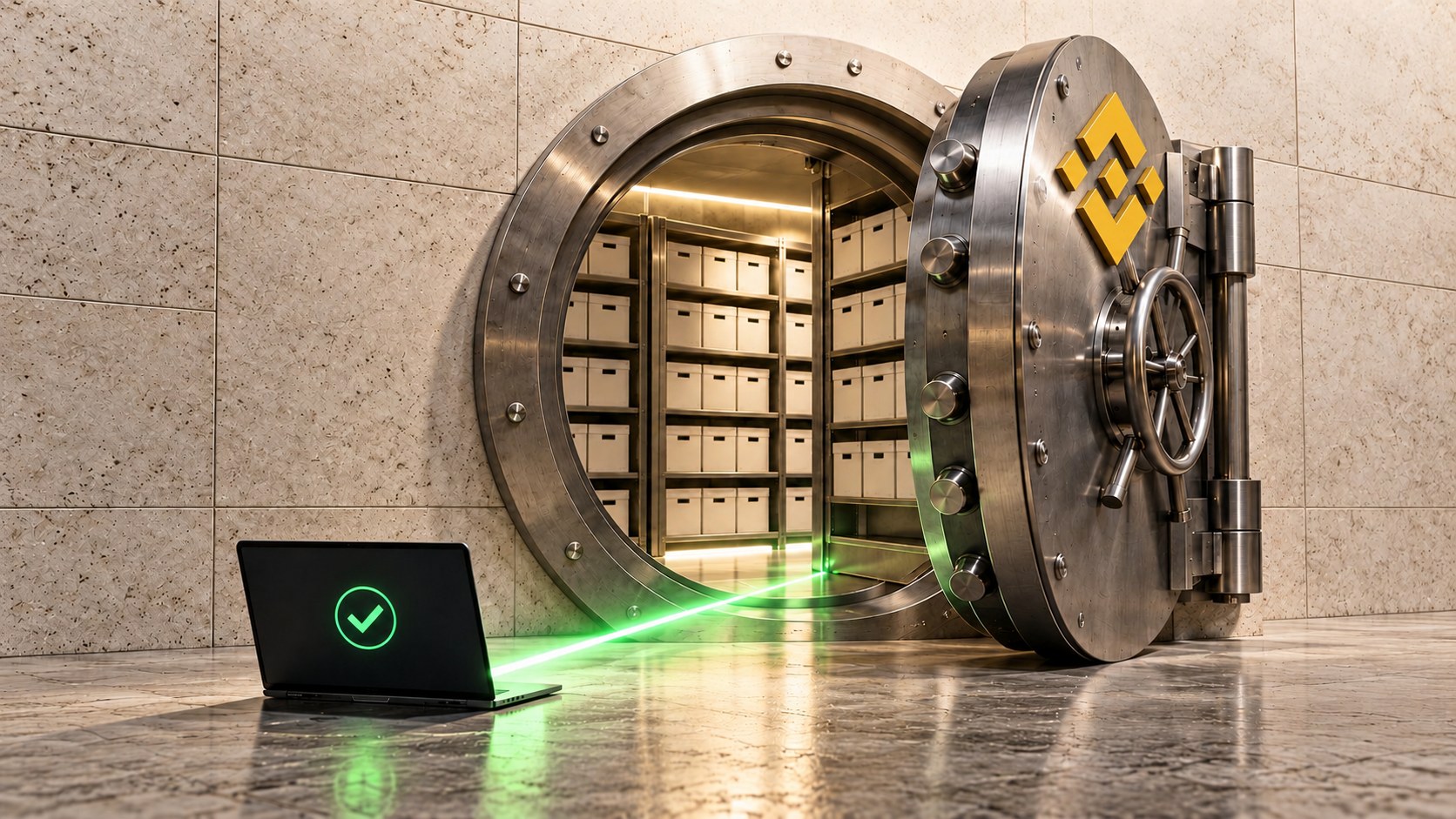
Binance hack 2026: How to check access to your company data
Following the Binance hack on 29 October 2026, the exchange reported the loss of around US$6.3 billion in token assets. A potentially compromised laptop was an initial possibility. Binance later identified further points of entry. The full attack chain remains under investigation.
For businesses, this raises a practical question: Which company files can a laptop reach if it falls into the wrong hands while someone is already signed in? And how do you withdraw that access? At luckycloud, the available measures include device management, Remote Wipe and disabling access methods you no longer need.
Cloud encryption protects files. Secure devices protect the work you do with them.
A confidential proposal should be readable by the right people and remain encrypted for everyone else. With luckycloud, you can enable additional directory encryption: the Sync Client encrypts the contents before uploading them. This can suit confidential project files that a defined group works on through the client.
Enable encryption when creating a new directory and set a separate directory password. Authorized luckycloud users can work with the entire shared directory if they know that password. External sharing links, upload links and online editing are not available for these directories. We cannot reset a forgotten directory password.
To read a file, an authorized device must be able to decrypt it. If malware controls that computer, it can target content that is already open. It does not have to break the cloud encryption first. Encryption remains an important safeguard. Devices, permissions and active connections also need a separate incident response procedure.
Protecting company data: Four measures for your incident response procedure
1. Limit what a workstation can access
Share the directories a team member needs for their work. Check separately which other files the account can reach online and which are already stored on the device. A directory that is not synchronized is not necessarily inaccessible. Narrower permissions also limit how much data a compromised workstation can reach.
2. Prepare device unlinking and Remote Wipe
Open your cloud storage in the browser and select the devices section in the left menu. Click the trash icon next to the affected device to unlink it. If you also want the client to delete its local cloud files, select the remote data deletion option in the confirmation dialog. Confirm only after checking that you have selected the correct device.
Remote Wipe leaves the files in the cloud intact. Availability depends on the plan; it is included in luckycloud Business. Check availability for your plan and client, and verify that deletion has actually taken place. This does not retrieve a file that has already been copied elsewhere. An unreachable device cannot carry out a remote deletion command immediately.
3. Include WebDAV and other access methods
You can disable WebDAV separately in the web interface. In your cloud storage, click your avatar at the top right, open Settings and select the WebDAV tab. Disable this access method if you do not need it or need to close it during an incident.
When two factor authentication is enabled, WebDAV uses a separate password. Treat this access method separately. Also check the browser, Sync Client, Drive Client and any other applications you actually use. Successfully signing out in one place tells you nothing about the other connections.
4. Protect logins and devices
Enable two factor authentication, keep operating systems and applications up to date, and encrypt the device's drive. Pay particular attention to browser extensions with broad permissions to read content. Keep administrative access separate from everyday work. A secure login makes account takeover harder; it does not replace secure devices or unlinking applications that are already connected.
Revoking cloud access: How to test the procedure with luckycloud
Use a separate test account, a test device and harmless test files. Carry out administration from another trusted device. Keep production accounts and customer data outside the exercise. For WebDAV, use a test directory without additional directory encryption; encrypted directories cannot be accessed through WebDAV.
- Share a test directory owned by a second authorized account with the test account. First check the test file through every intended access method. Synchronize it locally with the client and also export a copy outside the sync folder. Record both storage locations and the results.
- Withdraw the test account's access to the shared directory. Follow your procedure for unlinking the test device and include Remote Wipe if it is available. Disable WebDAV if it is part of the test. Record the time, the actions taken and the expected result for each access method.
- Only then have the second account create a new file with a distinctive name in the test directory. This file could not have been stored on the test device before access was withdrawn.
- Try to retrieve this new file from the test device. Check each previously used method separately: browser, Sync Client, Drive Client and WebDAV where applicable. A file that was already open does not count as a successful new retrieval from the server.
- Check the locally synchronized test file separately from the exported copy. Was the remote deletion command actually carried out by the client? The copy exported outside the managed area is a separate case to check. Unlinking a device and remotely deleting files are different measures. Record any discrepancies and adjust your incident response procedure.
The test shows whether your particular access revocation procedure works with the applications you use. It is not a complete security assessment. Repeat it when you change clients, access methods or important settings. If you need help with the setup, we can help you define the steps for your plan and the way you work.
A backup cannot make stolen information confidential again
Binance has committed to bearing the financial loss of the theft. A comparable remedy has limits when a customer list has been copied. A backup can restore lost files. It cannot make information that has already been stolen secret again.
That is why encryption, appropriate access rights, device management and a practiced incident response procedure belong together in a secure business cloud. What matters is that your team can use these measures when an incident occurs.
Sources and guides
Updated on 2 November 2026. The investigation into the Binance attack is ongoing.
You might also be interested in

Binance hack 2026: How to check access to your company data
What the Binance hack means for protecting company data: disconnect devices, check Remote Wipe and disable WebDAV, with a practical access test.
Updated: 02.11.2026
Learn more
Critical PHP vulnerabilities: What to check and update now
Two critical PHP flaws can allow remote code execution without a login. Find the fixed versions and check whether your website is actually using the updates.
Updated: 24.10.2026
Learn more
Measures Taken of a Critical Vulnerability in the Java Library Log4j
With this blog post we would like to inform you about measures we have taken regarding a critical security vulnerability in the Java library Log4j. We have already taken all recommended measures a...
Updated: 07.06.2023
Learn more
Find the right strategy for more IT security in your company: This hybrid cloud model fits you
The right combination is often unbeatable: Those who efficiently cross a public and private cloud create a powerful system. The resulting hybrid cloud has proven to be the ideal solution for many u...
Updated: 08.06.2023
Learn more
Binance hack 2026: How to check access to your company data
What the Binance hack means for protecting company data: disconnect devices, check Remote Wipe and disable WebDAV, with a practical access test.
Updated: 02.11.2026
Learn more
Critical PHP vulnerabilities: What to check and update now
Two critical PHP flaws can allow remote code execution without a login. Find the fixed versions and check whether your website is actually using the updates.
Updated: 24.10.2026
Learn more
Measures Taken of a Critical Vulnerability in the Java Library Log4j
With this blog post we would like to inform you about measures we have taken regarding a critical security vulnerability in the Java library Log4j. We have already taken all recommended measures a...
Updated: 07.06.2023
Learn more
Find the right strategy for more IT security in your company: This hybrid cloud model fits you
The right combination is often unbeatable: Those who efficiently cross a public and private cloud create a powerful system. The resulting hybrid cloud has proven to be the ideal solution for many u...
Updated: 08.06.2023
Learn more
Binance hack 2026: How to check access to your company data
What the Binance hack means for protecting company data: disconnect devices, check Remote Wipe and disable WebDAV, with a practical access test.
Updated: 02.11.2026
Learn more
Critical PHP vulnerabilities: What to check and update now
Two critical PHP flaws can allow remote code execution without a login. Find the fixed versions and check whether your website is actually using the updates.
Updated: 24.10.2026
Learn more
Measures Taken of a Critical Vulnerability in the Java Library Log4j
With this blog post we would like to inform you about measures we have taken regarding a critical security vulnerability in the Java library Log4j. We have already taken all recommended measures a...
Updated: 07.06.2023
Learn more
Find the right strategy for more IT security in your company: This hybrid cloud model fits you
The right combination is often unbeatable: Those who efficiently cross a public and private cloud create a powerful system. The resulting hybrid cloud has proven to be the ideal solution for many u...
Updated: 08.06.2023
Learn more
Binance hack 2026: How to check access to your company data
What the Binance hack means for protecting company data: disconnect devices, check Remote Wipe and disable WebDAV, with a practical access test.
Updated: 02.11.2026
Learn more
Critical PHP vulnerabilities: What to check and update now
Two critical PHP flaws can allow remote code execution without a login. Find the fixed versions and check whether your website is actually using the updates.
Updated: 24.10.2026
Learn more
Measures Taken of a Critical Vulnerability in the Java Library Log4j
With this blog post we would like to inform you about measures we have taken regarding a critical security vulnerability in the Java library Log4j. We have already taken all recommended measures a...
Updated: 07.06.2023
Learn more
Find the right strategy for more IT security in your company: This hybrid cloud model fits you
The right combination is often unbeatable: Those who efficiently cross a public and private cloud create a powerful system. The resulting hybrid cloud has proven to be the ideal solution for many u...
Updated: 08.06.2023
Learn more